-
- PCB TYPE
- PRINTED CIRCUIT BOARD PROTOTYPE ALUMINUM PRINTED CIRCUIT BOARD R&F PCB FPC HIGH FREQUENCY PCB HIGH-TG PCB HEAVY COPPER PCB HDI PCB PCB FOR LIGHTING METAL CORE PCB


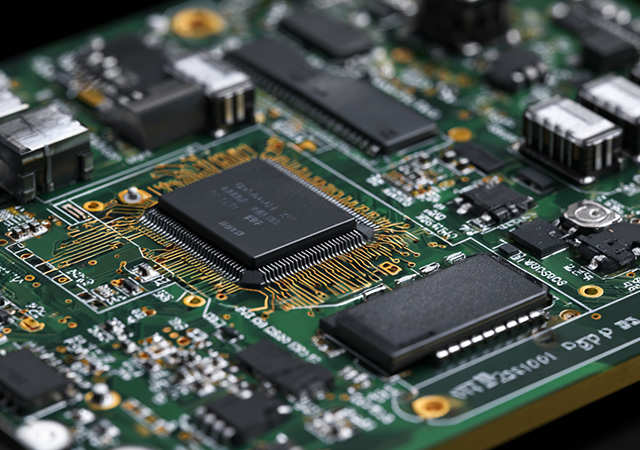
Maximize heat dissipation with HA80 Aluminum PCBs. Discover its superior 3.0 W/m·K thermal conductivity and high dielectric strength. Perfect for high-power LEDs and automotive electronics. Learn how ApolloPCB optimizes HA80 for industrial reliability.
In the dynamic landscape of modern electronics, aluminum PCB (Printed Circuit Board) has emerged as a transformative technology, redefining thermal management and reliability across high-power applications. As electronic systems evolve toward higher power densities, compact form factors, and operation in harsh environments, traditional FR-4 PCBs increasingly struggle to dissipate heat efficiently—aluminum PCBs address this critical gap through their unique combination of thermal conductivity, mechanical robustness, and design flexibility. This article explores the latest advancements in aluminum PCB technology, their core advantages, expanding industry applications, and sustainable manufacturing practices, ensuring industry 专业性 (industry expertise) and alignment with search engine optimization (SEO) best practices.

In the dynamic landscape of electronic manufacturing, Wazam PCB has emerged as a leading provider of high-performance printed circuit boards, offering tailored solutions that span diverse technologies, applications, and industry needs. With a focus on technical versatility, quality reliability, and customer collaboration, Wazam delivers PCB solutions that power innovations in automotive, telecommunications, industrial automation, and consumer electronics. Unlike niche manufacturers, Wazam combines expertise in multiple PCB technologies—including aluminum-based, high-frequency, and rigid-flex designs—with a commitment to precision manufacturing and quality assurance. This article explores Wazam’s comprehensive capabilities, manufacturing excellence, application breadth, and commitment to innovation, ensuring industry industry expertise and alignment with search engine optimization (SEO) best practices.
In the realm of advanced electronics, Wazam High Quality Aluminum PCB stands as a benchmark for reliability, thermal efficiency, and precision engineering, catering to industries where performance and durability are non-negotiable. As electronic systems grow increasingly power-dense and operate in harsher environments, the demand for high-quality aluminum PCBs has surged—Wazam meets this demand through uncompromising material standards, rigorous manufacturing controls, and a relentless focus on quality assurance. This article explores the pillars of Wazam’s high-quality aluminum PCBs, including material excellence, precision manufacturing, quality validation, and industry applications where quality drives success, ensuring industry industry expertise and alignment with search engine optimization (SEO) best practices.

In the competitive landscape of advanced electronics manufacturing, Wazam Aluminum PCB Manufacturer has established itself as a trusted provider of high-performance aluminum-based printed circuit boards, catering to industries demanding superior thermal management, mechanical durability, and design flexibility. With a focus on material innovation and precision manufacturing, Wazam delivers tailored solutions for applications ranging from automotive electrification to industrial automation, addressing the critical challenges of heat dissipation and signal integrity in modern electronic systems. This article explores Wazam’s technical capabilities, product advantages, industry applications, and commitment to quality, ensuring industry industry expertise and alignment with search engine optimization (SEO) best practices.
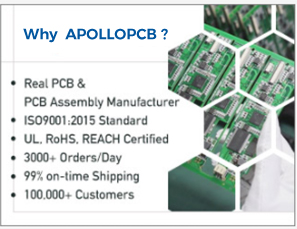
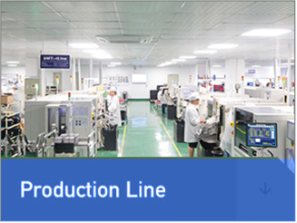

Got project ready to assembly? Contact us: info@apollopcb.com



 Whatsapp 0086 755 29438407
 Mail info@apollopcb.com
 Tel 0086 755 29438407


ABOUT US

PRODUCTS
TECHNOLOGY
KNOWLEDGE CENTRE
CULTURE
NEWS
We're not around but we still want to hear from you! Leave us a note:

Leave Message to APOLLOPCB