-
- PCB TYPE
- PRINTED CIRCUIT BOARD PROTOTYPE ALUMINUM PRINTED CIRCUIT BOARD R&F PCB FPC HIGH FREQUENCY PCB HIGH-TG PCB HEAVY COPPER PCB HDI PCB PCB FOR LIGHTING METAL CORE PCB


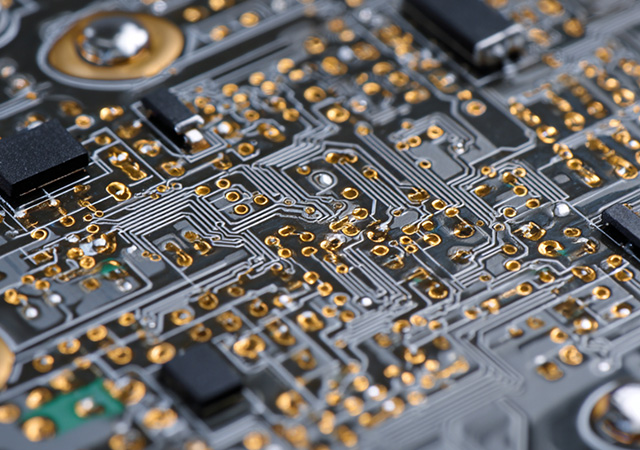
In the advanced landscape of printed circuit board (PCB) technology, the integration of countersink holes in ultra - thin aluminum substrates presents unique engineering challenges and opportunities. The 0.5mm aluminum PCB thickness demands meticulous design and manufacturing precision to balance mechanical integrity, thermal efficiency, and component integration. This article explores the technical complexities of countersink holes in 0.5mm aluminum PCBs, delving into material considerations, design methodologies, manufacturing innovations, quality assurance practices, and applications in cutting - edge electronic systems. By examining the intersection of miniaturization and functionality, this piece aims to provide industry professionals with insights into the specialized craftsmanship required for these high - precision PCB features.

In the dynamic realm of electronics, the continuous pursuit of smaller, more powerful, and energy - efficient devices has led to a significant increase in heat generation within electronic components. This heat, if not managed effectively, can cause performance degradation, reduced lifespan, and even system failures. Aluminum Printed Circuit Boards (PCBs) have emerged as a crucial solution in addressing these thermal challenges.Aluminum PCBs are a type of metal - core PCB that combines the electrical conductivity of traditional PCBs with the excellent thermal conductivity of aluminum. This unique combination allows for efficient heat dissipation from high - power components, such as LEDs, power transistors, and integrated circuits. As a result, aluminum PCBs have found widespread applications in various industries, including lighting, automotive, aerospace, and consumer electronics.
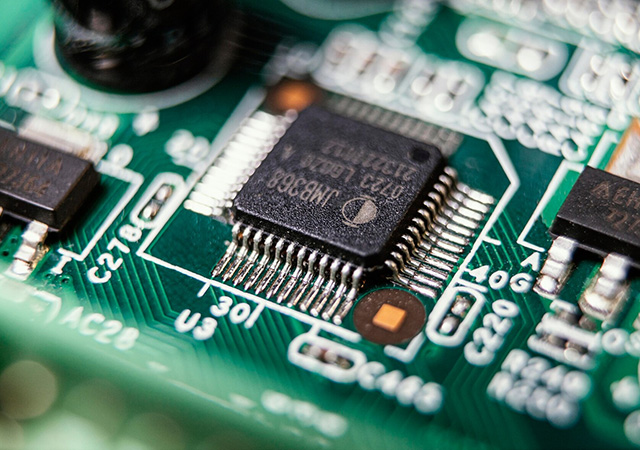
In the ever - evolving landscape of lighting technology, Aluminum PCB LED model lights have emerged as a game - changer. These lights combine the efficiency of Light - Emitting Diodes (LEDs) with the thermal management capabilities of Aluminum Printed Circuit Boards (PCBs), resulting in a lighting solution that is not only energy - efficient but also highly reliable and versatile.LEDs have revolutionized the lighting industry due to their long lifespan, low power consumption, and high luminous efficacy. However, to fully realize their potential, effective heat management is crucial. This is where Aluminum PCBs come into play. Aluminum has excellent thermal conductivity, which allows it to dissipate heat generated by LEDs quickly, ensuring their optimal performance and longevity. Aluminum PCB LED model lights are designed to meet the diverse lighting needs of various applications, from architectural and automotive lighting to consumer electronics and industrial settings.

In the dynamic realm of modern lighting technology, Surface - Mount Device (SMD) LEDs have revolutionized the industry with their compact size, energy - efficiency, and high - performance illumination. Complementing these cutting - edge LEDs is the aluminum printed circuit board (PCB), a critical component that significantly enhances the functionality and reliability of SMD LED lighting systems. SMD LED aluminum lighting PCBs combine the advantages of SMD LEDs' precise light emission and the superior thermal and mechanical properties of aluminum PCBs, making them indispensable across a wide spectrum of lighting applications.The synergy between SMD LEDs and aluminum PCBs addresses key challenges in lighting design, such as effective heat management, space optimization, and long - term durability. As the demand for sustainable, high - quality lighting solutions continues to grow in various sectors, understanding the intricacies of SMD LED aluminum lighting PCBs becomes crucial for lighti

In the ever - evolving landscape of lighting technology, Light - Emitting Diode (LED) model lights have emerged as a popular and efficient choice for a wide range of applications, from architectural lighting and display showcases to hobbyist projects. At the heart of these LED model lights lies the Aluminum Printed Circuit Board (Aluminum PCB), a crucial component that plays a pivotal role in determining the performance, reliability, and lifespan of the lighting system.LEDs are known for their energy - efficiency, long - lifespan, and high - brightness output. However, they also generate a significant amount of heat during operation. If this heat is not effectively managed, it can lead to a decline in the LED's performance, reduced light output, and ultimately, a shorter lifespan. This is where aluminum PCBs come into play. Their unique properties make them an ideal solution for LED model lights, providing superior heat dissipation capabilities, mechanical robustness, and design flexib


Got project ready to assembly? Contact us: info@apollopcb.com



 Whatsapp 0086 755 29438407
 Mail info@apollopcb.com
 Tel 0086 755 29438407


ABOUT US

PRODUCTS
TECHNOLOGY
KNOWLEDGE CENTRE
CULTURE
NEWS
We're not around but we still want to hear from you! Leave us a note:

Leave Message to APOLLOPCB