-
- PCB TYPE
- PRINTED CIRCUIT BOARD PROTOTYPE ALUMINUM PRINTED CIRCUIT BOARD R&F PCB FPC HIGH FREQUENCY PCB HIGH-TG PCB HEAVY COPPER PCB HDI PCB PCB FOR LIGHTING METAL CORE PCB



The 0.5mm Countersink CEM3 Circuit Board represents a pinnacle of miniaturization in PCB manufacturing, where even the smallest recesses play a critical role in enabling compact, high-performance devices. A 0.5mm countersink—measured by its diameter at the surface—demands extraordinary precision, as any deviation can render it incompatible with micro-components or fasteners. In CEM3 circuit boards, which balance affordability with reliable performance, this level of precision is both a technical challenge and a strategic advantage: it allows engineers to design smaller, lighter devices without sacrificing mechanical stability or electrical functionality. This article delves into the unique considerations of 0.5mm countersinks in CEM3 circuit boards, including manufacturing techniques, quality control measures, applications in compact electronics, and the benefits they bring to modern device design.
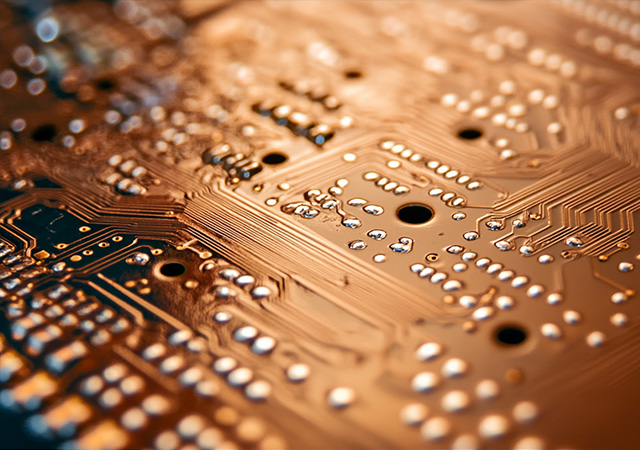
Precision Countersink CEM3 PCB Holes represent a critical detail in the manufacturing of Composite Epoxy Material-3 (CEM3) printed circuit boards, where even minor deviations can compromise the integrity of component assembly. Countersinking—creating a conical recess at the entrance of a hole—allows fasteners, connectors, or component leads to sit flush with the PCB surface, reducing mechanical stress, improving stability, and enhancing overall device reliability. In CEM3 PCBs, which balance affordability and performance for applications like consumer electronics and light industrial equipment, precision countersinking is particularly important: the material’s hybrid structure (non-woven glass core and woven glass layers) demands careful processing to avoid delamination, fraying, or uneven recesses. This article examines the techniques, challenges, quality standards, and applications of precision countersink CEM3 PCB holes, highlighting their role in ensuring seamless assembly and long

Discover why CEM-3 PCB is the versatile workhorse of modern electronics. Compare CEM-3 vs. FR-4 for thermal stability, mechanical strength, and cost-effectiveness. Get expert CEM-3 fabrication for LED & home appliances from ApolloPCB.

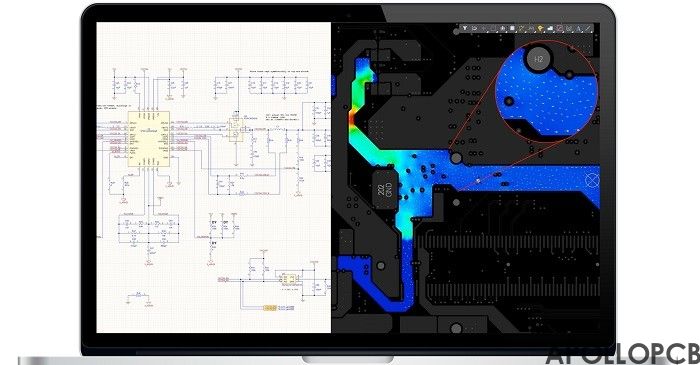
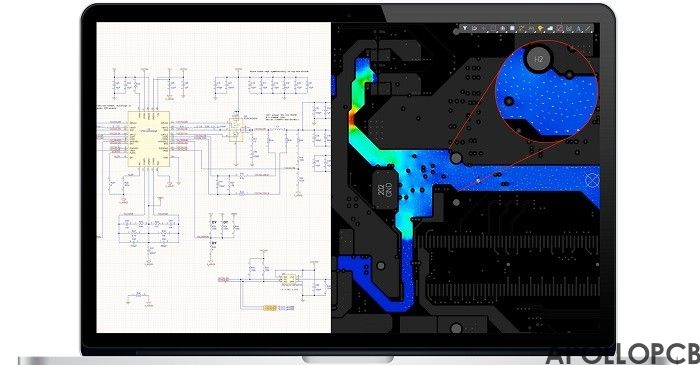
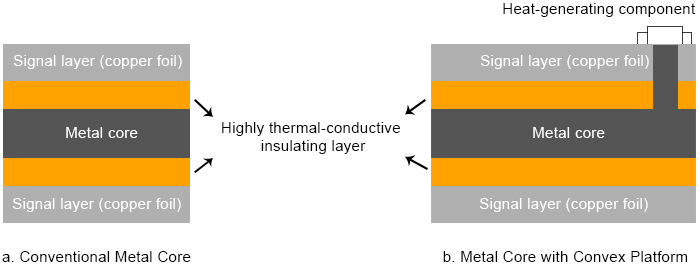
Thermal CEM3 represents a specialized category of Composite Epoxy Material-3 (CEM3) substrates engineered to address the thermal challenges of modern electronics without abandoning the material’s core strengths of affordability and versatility. Unlike standard CEM3, which is designed primarily for electrical insulation and mechanical stability, thermal CEM3 focuses on enhancing heat dissipation capabilities to meet the demands of devices generating moderate levels of heat. This adaptation allows it to serve as a pragmatic solution in applications where excessive heat could compromise performance but where high-cost thermal materials (such as metal-core PCBs or ceramics) would be unnecessarily expensive. This article explores the fundamental thermal properties of thermal CEM3, its design principles, real-world applications, and how it fits into the broader landscape of thermal management materials, highlighting its unique role in balancing functionality and cost.

The Improved Thermal Performance CEM3 Substrate marks a significant advancement in the evolution of Composite Epoxy Material-3 (CEM3), addressing a longstanding challenge: balancing the material’s inherent cost-effectiveness and mechanical stability with enhanced ability to manage heat. Unlike standard CEM3, which suffices in low-heat environments, this upgraded substrate is engineered to thrive in applications where moderate heat generation was once a limiting factor. By refining the core structure and material composition, it retains CEM3’s signature advantages—affordability, ease of manufacturing, and compliance with safety standards—while delivering meaningful improvements in thermal dissipation. This article explores the design innovations, performance metrics, application scenarios, and industry impact of the improved thermal performance CEM3 substrate, highlighting how it extends CEM3’s utility into new realms of electronics design.


Got project ready to assembly? Contact us: info@apollopcb.com



 Whatsapp 0086 755 29438407
 Mail info@apollopcb.com
 Tel 0086 755 29438407


ABOUT US

PRODUCTS
TECHNOLOGY
KNOWLEDGE CENTRE
CULTURE
NEWS
We're not around but we still want to hear from you! Leave us a note:

Leave Message to APOLLOPCB