-
- PCB TYPE
- PRINTED CIRCUIT BOARD PROTOTYPE ALUMINUM PRINTED CIRCUIT BOARD R&F PCB FPC HIGH FREQUENCY PCB HIGH-TG PCB HEAVY COPPER PCB HDI PCB PCB FOR LIGHTING METAL CORE PCB


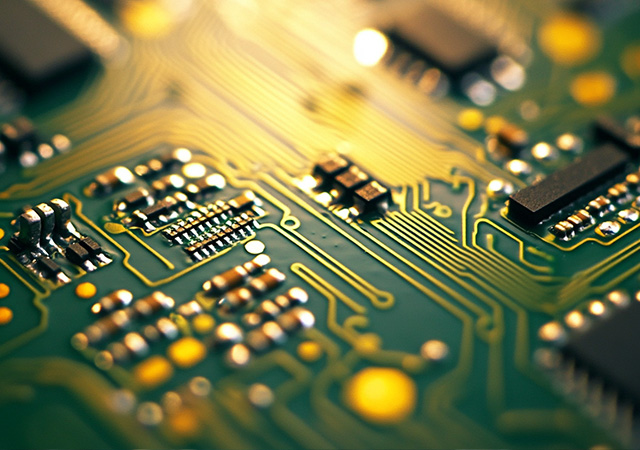
The FR4 PCB Material Specification serves as the backbone of reliability in electronics manufacturing, establishing standardized guidelines for the properties, performance, and compliance of FR4-based printed circuit boards. As the most widely used PCB material globally, FR4’s versatility demands clear specifications to ensure consistency across manufacturers, applications, and industries. These specifications are not static documents but dynamic frameworks that adapt to technological advancements, regulatory changes, and evolving market needs. This article explores the structure, purpose, and practical implications of FR4 PCB material specifications, highlighting how they guide material selection, manufacturing processes, and quality assurance—ultimately ensuring that FR4 PCBs meet the diverse demands of modern electronics.
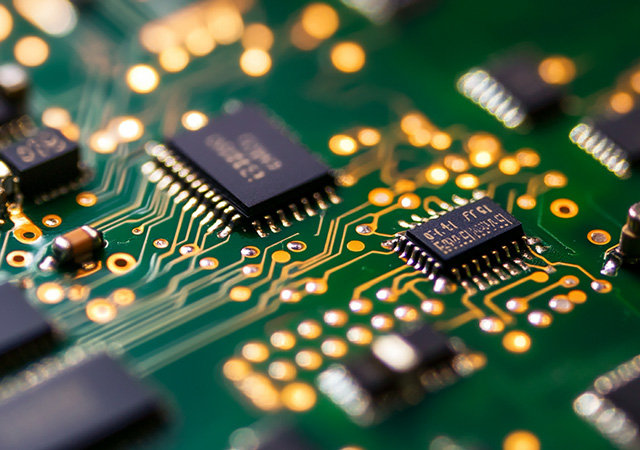
In the spectrum of FR4 PCB materials, the Tg150 FR4 PCB Material Specification represents a critical middle ground, offering enhanced thermal stability without the complexity of ultra-high-temperature variants. "Tg150" refers to the material’s glass transition temperature—the point at which the epoxy resin shifts from a rigid to a rubbery state—set at 150°C, making it suitable for applications where moderate heat resistance is required. This specification bridges the gap between standard FR4 (with lower Tg) and specialized high-temperature materials, providing a balance of performance, cost, and processability. This article explores the defining features of Tg150 FR4, its role in electronics manufacturing, key elements of its specification, and its ideal applications, highlighting why it has become a go-to choice for industries needing reliable thermal performance in diverse operating conditions.
In the realm of electronics manufacturing, the FR4 PCB Material Spec Sheet PDF serves as an indispensable document, bridging the gap between material suppliers, designers, and manufacturers. This digital or printable resource encapsulates essential information about FR4 PCB materials, guiding decision-making throughout the product development lifecycle. Unlike generic product descriptions, an FR4 PCB Material Spec Sheet PDF is a detailed, standardized document that outlines a material’s properties, compliance, and performance characteristics—critical for ensuring that the chosen FR4 variant aligns with a project’s requirements. This article explores the role, structure, and significance of these spec sheets, highlighting how they facilitate collaboration, ensure quality, and streamline the production of FR4-based PCBs.
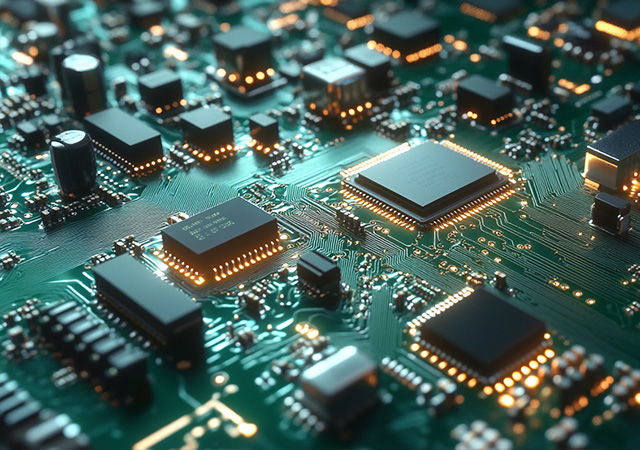
In the intricate world of electronics, FR4 PCB stands as a testament to functional design and adaptability, serving as the backbone for an immeasurable range of devices. From the smallest wearable gadgets to complex industrial machinery, FR4 PCBs have become synonymous with reliability and practicality. Unlike specialized materials that cater to niche needs, FR4’s strength lies in its ability to balance performance, cost, and manufacturability across diverse applications. This article explores the essence of FR4 PCB, tracing its evolution, examining its role in modern manufacturing, highlighting its applications across industries, and pondering its future in a rapidly advancing technological landscape. By delving into its core attributes and versatility, we uncover why FR4 remains the most widely used PCB material globally.
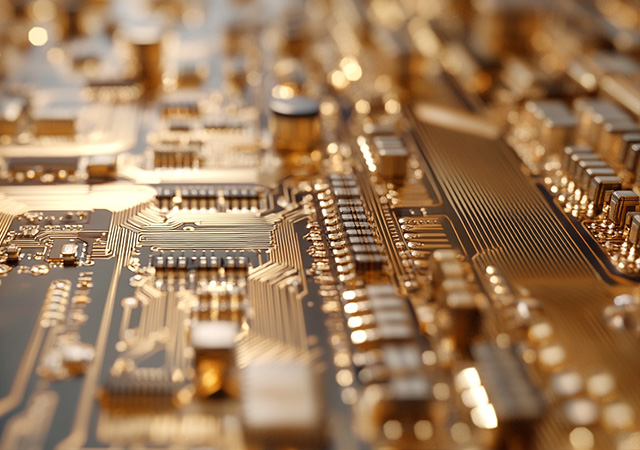
In the realm of printed circuit boards (PCBs), the FR4 PCB Material Type encompasses a diverse family of glass-reinforced epoxy laminates that form the foundation of modern electronics. From simple consumer devices to complex industrial systems, FR4 materials have proven their adaptability, reliability, and cost-effectiveness across decades of technological advancement. Unlike specialized substrates designed for niche applications, the FR4 family is defined by its versatility, with each variant tailored to meet specific performance needs while retaining core properties like flame resistance and mechanical stability. This article explores the various types of FR4 PCB materials, their defining features, ideal applications, and the factors that guide their selection, offering a clear understanding of how this material family continues to shape the electronics industry.

Got project ready to assembly? Contact us: info@apollopcb.com



 Whatsapp 0086 755 29438407
 Mail info@apollopcb.com
 Tel 0086 755 29438407


ABOUT US

PRODUCTS
TECHNOLOGY
KNOWLEDGE CENTRE
CULTURE
NEWS
We're not around but we still want to hear from you! Leave us a note:

Leave Message to APOLLOPCB