-
- PCB TYPE
- PRINTED CIRCUIT BOARD PROTOTYPE ALUMINUM PRINTED CIRCUIT BOARD R&F PCB FPC HIGH FREQUENCY PCB HIGH-TG PCB HEAVY COPPER PCB HDI PCB PCB FOR LIGHTING METAL CORE PCB


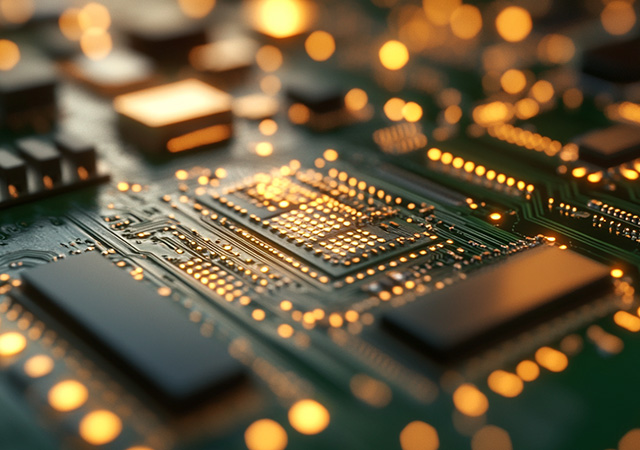
In the vast landscape of printed circuit board (PCB) materials, the Standard FR4 PCB Material Type stands as the most widely used and recognized substrate, forming the backbone of countless electronic devices worldwide. Its enduring popularity stems from a unique blend of practicality, reliability, and cost-effectiveness, making it the default choice for engineers and manufacturers across industries. Unlike specialized high-performance variants, Standard FR4 is engineered for general-purpose applications, where its well-balanced properties—from mechanical stability to electrical insulation—meet the demands of everyday electronics without unnecessary complexity. This article explores the essence of Standard FR4, examining its composition, manufacturing journey, ideal applications, and enduring role in the electronics ecosystem, while highlighting why it remains indispensable in a world of advancing technology.
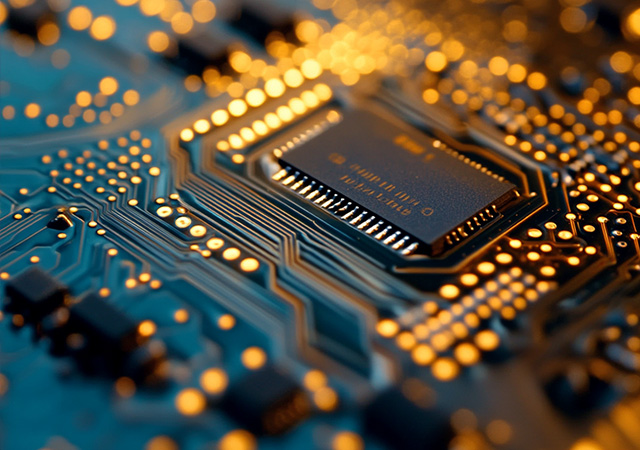
FR4 PCB remains the cornerstone of modern electronics, a material whose adaptability has allowed it to evolve alongside the industry’s most demanding challenges. From the earliest integrated circuits to today’s 5G infrastructure and IoT ecosystems, FR4 has proven its worth as a cost-effective, reliable substrate for printed circuit boards. Its unique combination of mechanical strength, electrical insulation, and flame resistance—coupled with ongoing material innovations—ensures it remains indispensable. This article explores the latest developments in FR4 PCB technology, from advanced formulations to novel manufacturing techniques, while examining its expanding role in emerging applications. By focusing on its evolving properties, sustainability gains, and integration with cutting-edge electronics, we highlight why FR4 continues to dominate the PCB market and what the future holds for this versatile material.
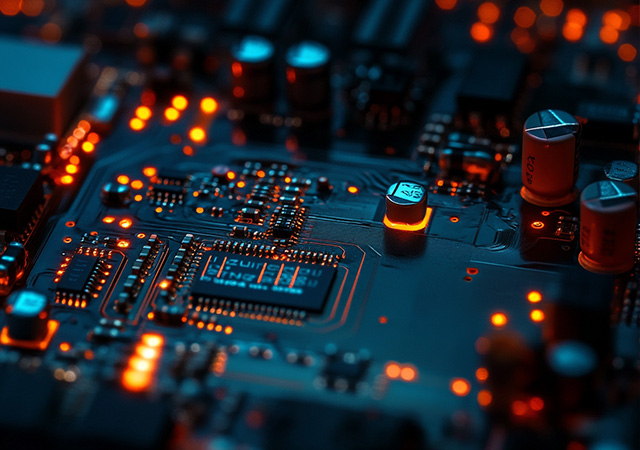
The FR4 PCB temperature rating is a critical specification that dictates the operational limits of printed circuit boards in various thermal environments. This rating, primarily defined by the glass transition temperature (Tg) of the FR4 laminate, serves as a benchmark for engineers to determine if a PCB can withstand the heat generated by components and ambient conditions. Unlike specialized materials such as ceramics or polyimides, FR4 offers a range of temperature ratings—from 130°C for standard variants to 200°C+ for high-performance grades—making it adaptable to diverse applications. This article delves into the meaning of FR4 PCB temperature ratings, how they are measured, the factors that influence them, and their practical implications for design and reliability. By demystifying these ratings, we aim to provide engineers with the knowledge to select the right FR4 variant for their specific thermal needs.
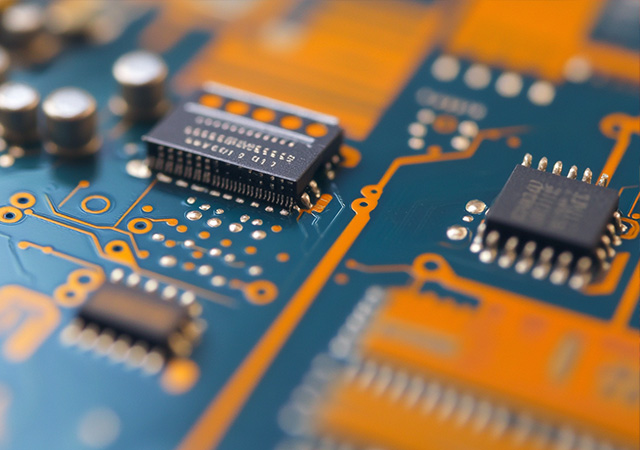
Ensure reliability in extreme thermal conditions with High-Temp FR4. Learn about Tg, Td, and CTE properties for automotive and aerospace PCB applications. Contact us for technical advice.
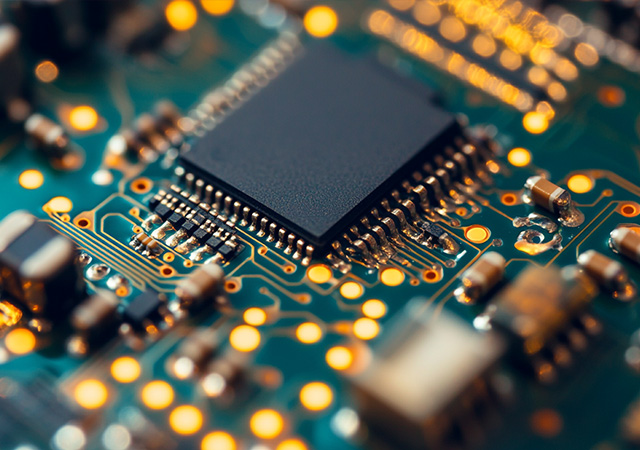
The FR4 PCB Temperature Rating 130°C refers to the glass transition temperature (Tg) of standard FR4 laminates, a critical parameter that defines the threshold at which the material shifts from a rigid, glassy state to a rubbery, flexible one. This 130°C rating is not arbitrary—it reflects the thermal stability of standard FR4, engineered to perform reliably in environments where operational temperatures remain below 100°C, with transient spikes up to 120°C. As the most widely used PCB material, 130°C Tg FR4 strikes a balance between cost, processability, and thermal resilience, making it the backbone of consumer electronics, office equipment, and low-heat industrial devices. This article explores the science behind the 130°C temperature rating, its implications for PCB performance, design considerations to avoid exceeding this threshold, and real-world applications where this rating is both sufficient and optimal.


Got project ready to assembly? Contact us: info@apollopcb.com



 Whatsapp 0086 755 29438407
 Mail info@apollopcb.com
 Tel 0086 755 29438407


ABOUT US

PRODUCTS
TECHNOLOGY
KNOWLEDGE CENTRE
CULTURE
NEWS
We're not around but we still want to hear from you! Leave us a note:

Leave Message to APOLLOPCB