-
- PCB TYPE
- PRINTED CIRCUIT BOARD PROTOTYPE ALUMINUM PRINTED CIRCUIT BOARD R&F PCB FPC HIGH FREQUENCY PCB HIGH-TG PCB HEAVY COPPER PCB HDI PCB PCB FOR LIGHTING METAL CORE PCB


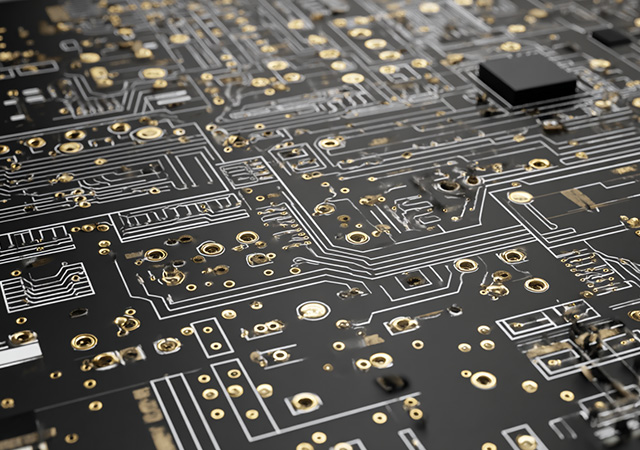
In the realm of advanced electronics manufacturing, Ventec Aluminum CCL (Copper Clad Laminate) materials have redefined thermal management and structural integrity. Engineered to address the escalating demands of high-power applications in automotive, 5G telecommunications, and industrial automation, Ventec’s aluminum-based CCLs offer a harmonious blend of thermal efficiency, electrical reliability, and design versatility. This article provides an in-depth exploration of Ventec Aluminum CCLs, delving into their material science, industry applications, sustainability initiatives, and future innovations, with a focus on technical rigor and SEO optimization.
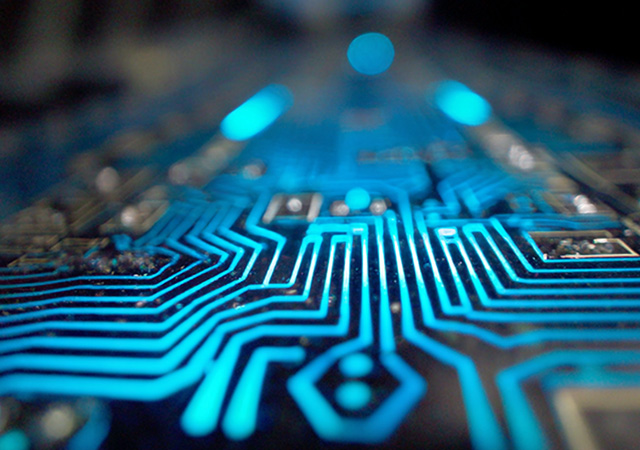
Aluminum printed circuit boards (PCBs) have transcended their traditional role as thermal management solutions to become versatile platforms enabling innovation across electronics. As demand for high-power, compact, and durable devices grows, aluminum PCBs have evolved through material diversification, advanced manufacturing, and application expansion. This article explores the current landscape of aluminum PCBs, focusing on material innovations beyond standard alloys, emerging use cases in specialized industries, sustainable manufacturing practices, and design strategies that maximize their unique advantages.
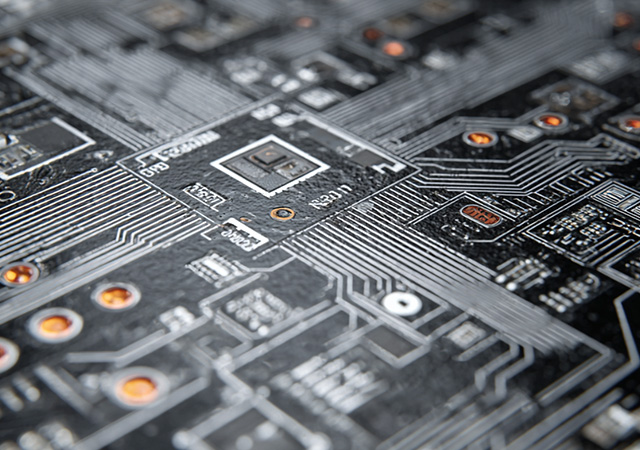
High reflective soldermask has emerged as a critical component in modern electronics, where light efficiency and thermal management are paramount. Unlike standard soldermasks, which prioritize electrical insulation and corrosion resistance, high reflective variants are engineered to maximize light reflection, minimizing energy loss in light-emitting applications while maintaining robust protective properties. This article explores the material science behind high reflective soldermasks, their performance characteristics, key applications across industries, and advancements driving their evolution in high-efficiency electronics.

Maximize LED lumen output with high-reflective solder mask (>90%). Discover material secrets to prevent yellowing in high-power MCPCBs and improve thermal reliability. Get expert insights from ApolloPCB.
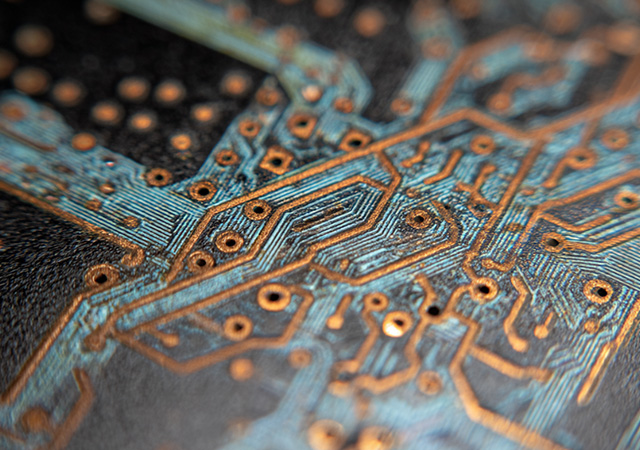
In the realm of aluminum printed circuit boards (PCBs), the integration of high-reflectivity soldermask has emerged as a game-changing innovation for optical applications. 95% reflectivity soldermask aluminum PCBs combine the thermal management strengths of aluminum substrates with specialized coatings that maximize light reflection, addressing critical efficiency challenges in LED lighting, display technologies, and optical sensors. This article explores the material science, design principles, applications, and manufacturing advancements behind these specialized PCBs, highlighting their role in driving performance gains in light-dependent electronic systems.
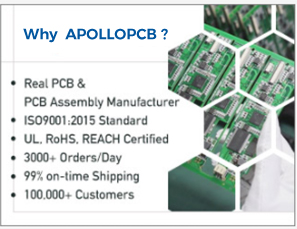
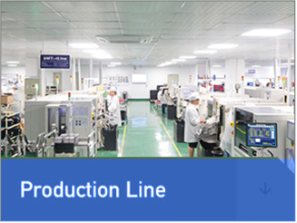

Got project ready to assembly? Contact us: info@apollopcb.com



 Whatsapp 0086 755 29438407
 Mail info@apollopcb.com
 Tel 0086 755 29438407


ABOUT US

PRODUCTS
TECHNOLOGY
KNOWLEDGE CENTRE
CULTURE
NEWS
We're not around but we still want to hear from you! Leave us a note:

Leave Message to APOLLOPCB