-
- PCB TYPE
- PRINTED CIRCUIT BOARD PROTOTYPE ALUMINUM PRINTED CIRCUIT BOARD R&F PCB FPC HIGH FREQUENCY PCB HIGH-TG PCB HEAVY COPPER PCB HDI PCB PCB FOR LIGHTING METAL CORE PCB


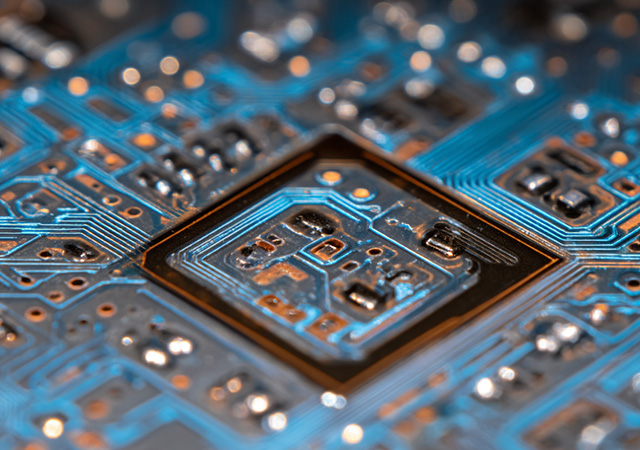
Aluminum printed circuit boards (PCBs) have solidified their position as indispensable components in modern electronics, driven by their unique combination of thermal efficiency, mechanical resilience, and design flexibility. As industries push toward higher power densities, miniaturization, and sustainability, aluminum PCBs continue to evolve, integrating innovative materials and manufacturing techniques. This article explores the latest advancements in aluminum PCB technology, focusing on material breakthroughs, adaptive design strategies, emerging application landscapes, and eco-conscious manufacturing practices that define the next generation of these critical components.
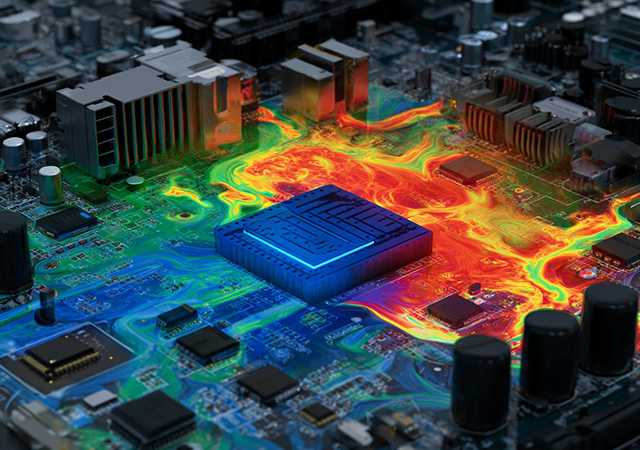
In the era of miniaturized, high-power electronic devices, thermal management has become a critical engineering challenge. High thermal solution PCBs (Printed Circuit Boards) address this by integrating specialized materials, innovative designs, and advanced manufacturing techniques to efficiently dissipate heat, ensuring device reliability and performance. This article explores the core principles, material innovations, design methodologies, and industry applications of high thermal solution PCBs, highlighting their role in enabling next-generation electronics across automotive, industrial, and telecommunications sectors.
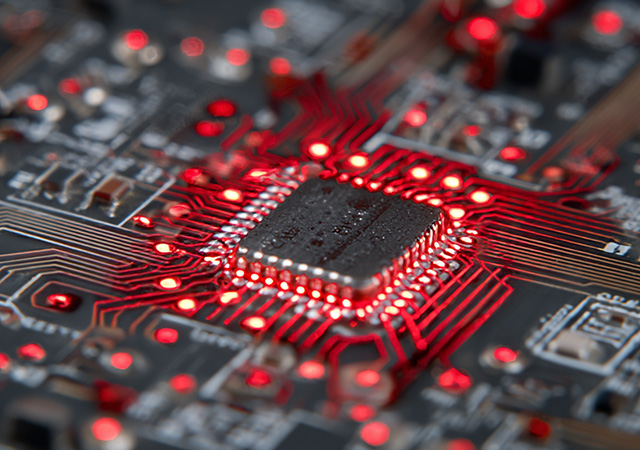
In the evolving landscape of electronic design, thermal management remains a critical challenge as devices shrink while power densities rise. Among the diverse thermal solutions available, printed circuit boards (PCBs) with a thermal conductivity of approximately 1.5W/mK have emerged as a versatile choice, striking a balance between heat dissipation capability, cost efficiency, and manufacturing feasibility. This article explores the material science, design principles, applications, and selection criteria for 1.5W/mK thermal conductive PCBs, highlighting their role in bridging the gap between basic FR-4 boards and high-end thermal solutions.
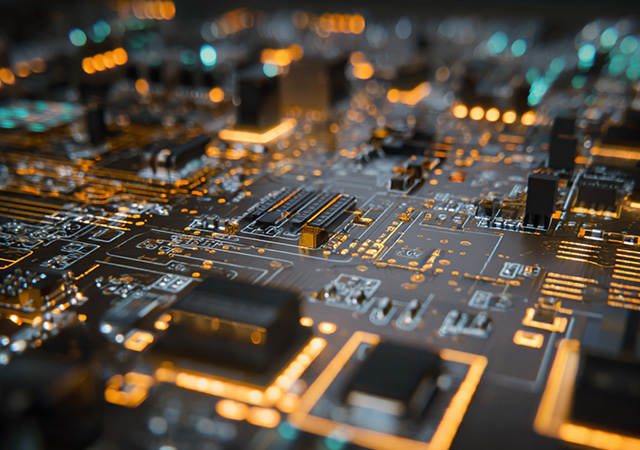
In the fast-evolving landscape of electronic devices, high thermal solution aluminum PCBs have emerged as a cornerstone for applications demanding exceptional heat dissipation. As power densities escalate in industries like automotive, 5G telecommunications, and industrial automation, traditional FR-4 PCBs fall short due to their limited thermal conductivity (≈0.25 W/m·K). Aluminum PCBs, with thermal conductivities up to 200 W/m·K, offer a transformative solution, ensuring components operate within optimal temperature ranges while maintaining reliability. This article delves into the core principles, material innovations, and industry applications of high thermal solution aluminum PCBs, highlighting their role in enabling next-generation electronics.
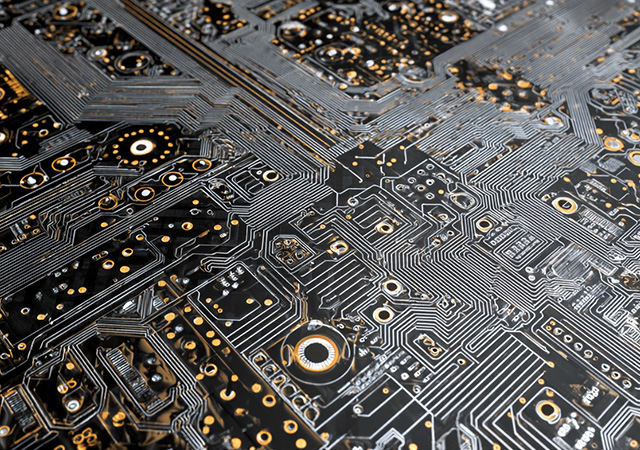
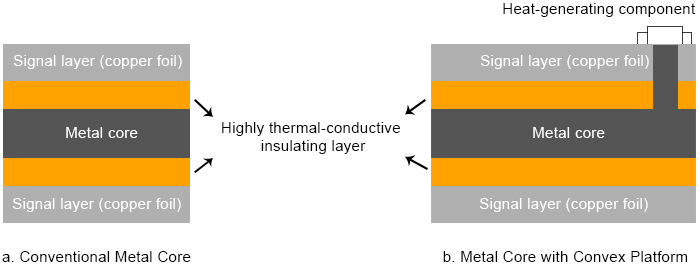
Aluminum PCB structure serves as the backbone of high-performance electronic systems, balancing thermal efficiency, mechanical robustness, and electrical functionality. Unlike traditional FR4 PCBs reliant on non-conductive cores, aluminum-based structures leverage metal substrates to address the growing demands of power-dense devices across industries. This guide explores the fundamental components, material interactions, design principles, and application-specific adaptations of aluminum PCB structures, providing engineers and designers with a framework for optimizing performance through structural excellence.

Got project ready to assembly? Contact us: info@apollopcb.com



 Whatsapp 0086 755 29438407
 Mail info@apollopcb.com
 Tel 0086 755 29438407


ABOUT US

PRODUCTS
TECHNOLOGY
KNOWLEDGE CENTRE
CULTURE
NEWS
We're not around but we still want to hear from you! Leave us a note:

Leave Message to APOLLOPCB