-
- PCB TYPE
- PRINTED CIRCUIT BOARD PROTOTYPE ALUMINUM PRINTED CIRCUIT BOARD R&F PCB FPC HIGH FREQUENCY PCB HIGH-TG PCB HEAVY COPPER PCB HDI PCB PCB FOR LIGHTING METAL CORE PCB


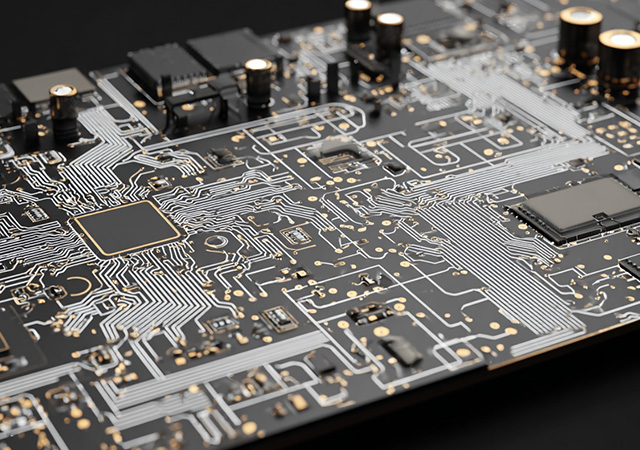
In the rapidly evolving realm of electronics, printed circuit boards (PCBs) serve as the silent architects that underpin the functionality of countless devices. Among the diverse array of PCB technologies, aluminum base PCBs have emerged as a transformative force, offering a unique synergy of thermal management, mechanical resilience, and electrical reliability. This article delves deep into the intricacies of aluminum base PCBs, exploring their fundamental principles, design methodologies, manufacturing processes, real - world applications, and emerging trends, highlighting their pivotal role in shaping the future of electronic engineering.
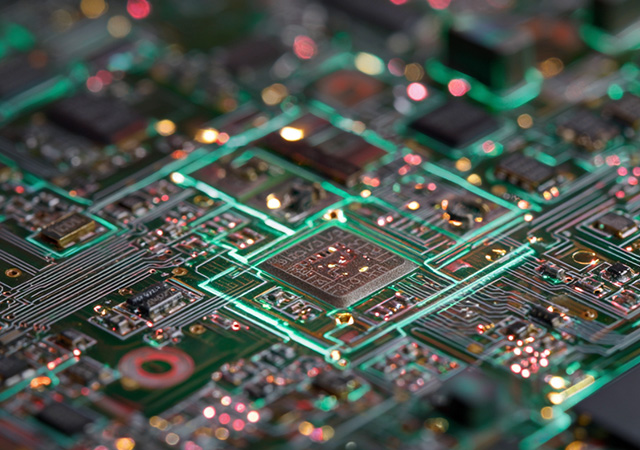
In the fast - paced evolution of modern electronics, the demand for efficient thermal management has become increasingly critical. As electronic devices grow smaller, more powerful, and more energy - dense, the need for materials that can effectively dissipate heat while maintaining mechanical and electrical reliability has never been greater. High conductivity aluminum base materials have emerged as a pivotal solution, offering a unique combination of superior thermal performance, mechanical robustness, and design flexibility. This article explores the technical nuances, applications, and future trends of high conductivity aluminum bases, highlighting their indispensable role in advancing electronic systems across industries.
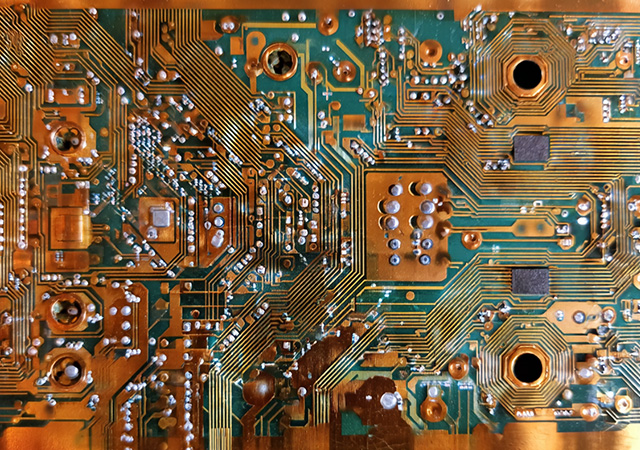
In the intricate world of electronic engineering, the quest for optimal performance, reliability, and efficiency has led to the development of specialized printed circuit boards (PCBs). Among these, the aluminum base PCB with a specific copper thickness, often denoted as 3oz, stands out as a game - changing solution for a diverse range of applications. This article delves deep into the unique characteristics, design intricacies, manufacturing processes, real - world applications, and future trends of aluminum base PCBs with 3oz copper, highlighting their pivotal role in modern electronics.
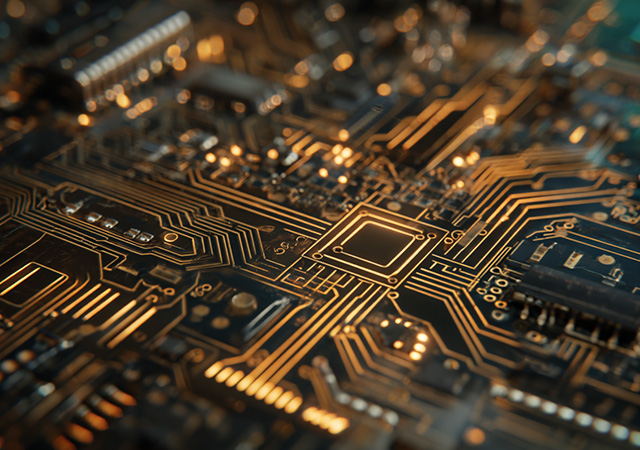
In the rapidly evolving world of electronics, printed circuit boards (PCBs) serve as the backbone of countless devices, providing the necessary electrical connections and mechanical support for components. Among the various types of PCBs available, aluminum PCBs have emerged as a game - changer, offering unique advantages that make them ideal for a wide range of applications. This article will explore the key features, design considerations, manufacturing processes, applications, and future trends of aluminum PCBs, highlighting their significance in modern electronics.
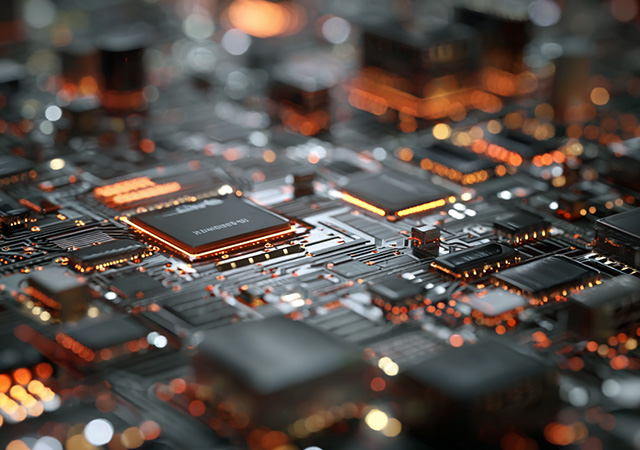
In the ever - advancing domain of lighting technology, LED lighting aluminum printed circuit boards (PCBs) have emerged as a revolutionary force, redefining the boundaries of what is possible in illumination systems. These specialized PCBs combine the unique properties of aluminum with the cutting - edge capabilities of LED technology, offering a comprehensive solution for modern lighting needs. This article takes an in - depth look at LED lighting aluminum PCBs, exploring their fundamental characteristics, design considerations, manufacturing processes, diverse applications, and future trends, highlighting their significance in the lighting industry.

Got project ready to assembly? Contact us: info@apollopcb.com



 Whatsapp 0086 755 29438407
 Mail info@apollopcb.com
 Tel 0086 755 29438407


ABOUT US

PRODUCTS
TECHNOLOGY
KNOWLEDGE CENTRE
CULTURE
NEWS
We're not around but we still want to hear from you! Leave us a note:

Leave Message to APOLLOPCB